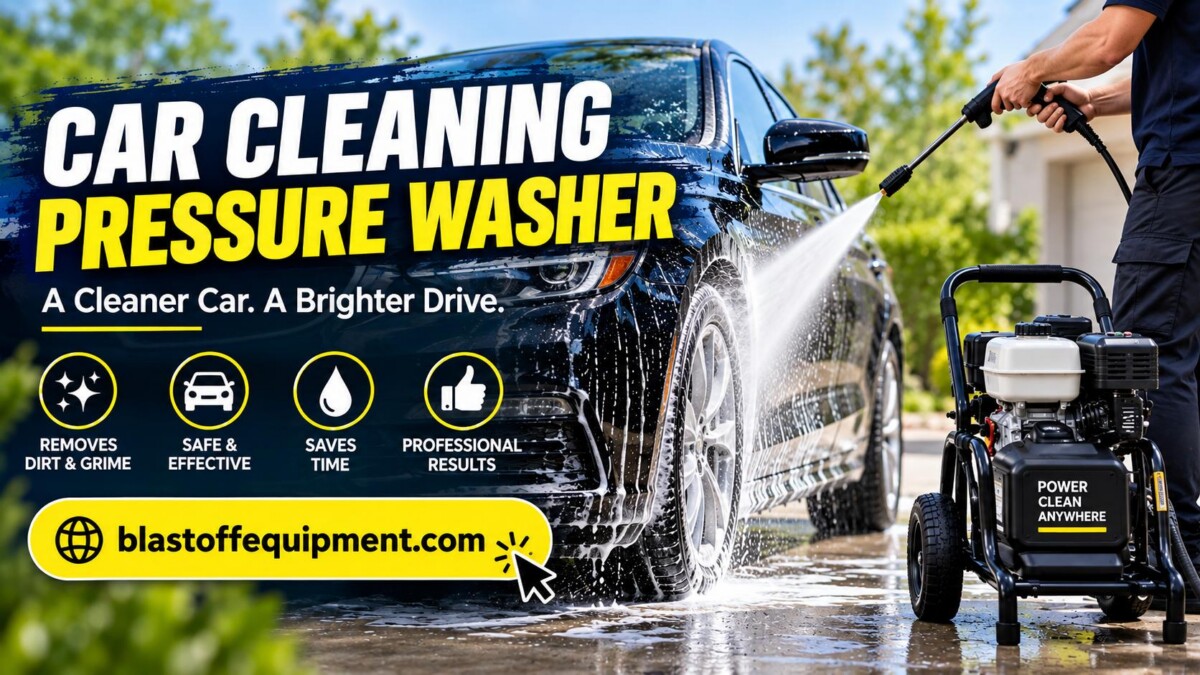
Professional vehicle cleaning is becoming faster, more organized, and service-focused, and the pressure washer sits at the center of this workflow. It handles the first stage of exterior cleaning and shapes the remaining wash process.
Choosing the right pressure washer supports safe vehicle cleaning, dependable use, and efficient movement around the job site. When the machine, hoses, nozzles, water supply, and accessories work together, you spend less time managing equipment and more time producing consistent results.
The Pressure Washer Sets the Pace
A dependable car cleaning pressure washer helps remove loose dirt, road film, mud, and debris before contact washing begins. This rinse can make the next stages easier by reducing the amount of contamination that must be handled with wash mitts or brushes.
Consistent water delivery also helps technicians work around the vehicle. Instead of stopping to correct pressure loss, tangled hoses, or unreliable fittings, they can follow the same process on every appointment.
Choose the Right Pressure and Flow for Vehicle Work
More pressure does not automatically create better detailing results. The system needs enough cleaning ability to handle wheels, tires, wheel wells, mats, and exterior surfaces while still allowing controlled use around paint, trim, seals, and badges.
Water flow also influences how quickly loosened dirt and cleaning products can be rinsed away. Buyers comparing the best car detailing equipment for sale should consider pressure and flow together instead of focusing on any one aspect. The most useful machine is one that matches your services, water availability, power source, and expected hours of use.
Accessories Shape the Cleaning Experience
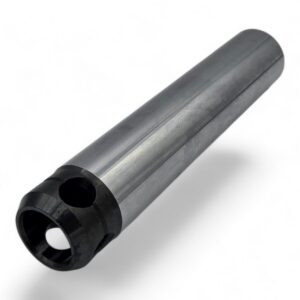
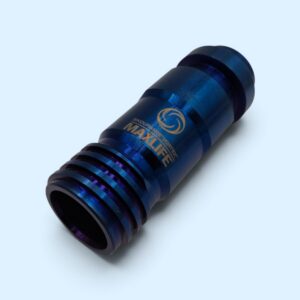
A pressure washer performs best when its supporting components are selected thoughtfully. Hose length affects movement around large vehicles, while quality reels help keep the work area organized. Suitable spray tips allow you to adjust the cleaning pattern for different surfaces and tasks.
A practical pressure-washing setup would include:
- A durable high-pressure hose
- Secure fittings and quick-connect couplers
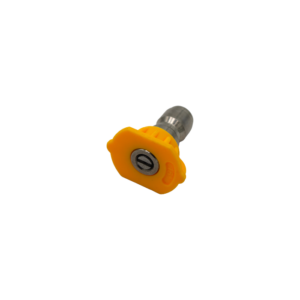
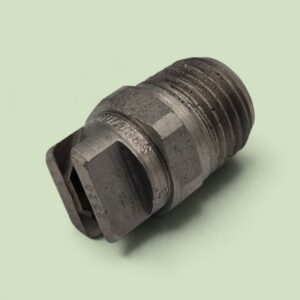
- Multiple spray tips for controlled rinsing
- A foam application attachment
- A stable hose reel
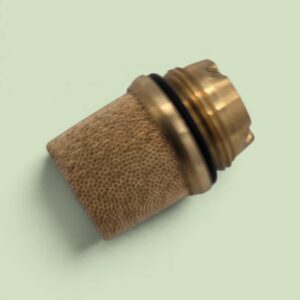
- Replacement seals, filters, and small wear parts
These components may seem secondary, but they affect setup time, safety, comfort, and daily productivity.
Build the Detailing Setup Around the Washer
When reviewing car detailing equipment for sale, buyers should consider how each item will connect to the pressure-washing process. A water tank must provide dependable supply, a generator must support the selected machine, and the trailer or vehicle layout should keep controls within easy reach.
Chemical storage, foam tools, brushes, towels, and drying equipment should be arranged in the order they are used. This creates a natural workflow from initial rinse to final inspection. The pressure washer remains the foundation, while the surrounding tools support each stage without creating clutter or unnecessary movement.
Maintenance Protects Daily Performance
Pressure-washing equipment works around water, chemicals, heat, vibration, and outdoor conditions. Routine inspection helps prevent small issues from becoming missed appointments. Hoses, couplers, filters, nozzles, fluid levels, and visible connections should be checked regularly. The system should also be flushed and stored according to its operating requirements. Keeping replacement parts nearby can reduce downtime during busy weeks.
Blast Off Equipment supplies professional pressure washers, accessories, parts, detailing tools, and mobile systems for operators building reliable vehicle-cleaning workflows. Choosing a pressure washer that fits the way you work can support faster setup, controlled cleaning, consistent results, and a more professional experience for every customer.